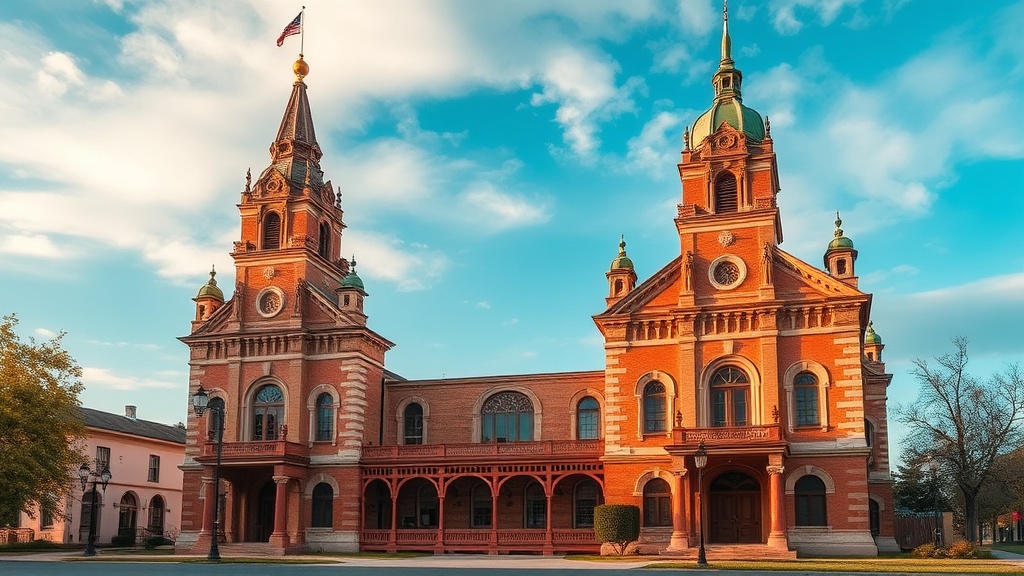
Beyond the Postcard: Terrebonne's Enduring Architectural Wonders

Beyond the Postcard: Terrebonne's Enduring Architectural Wonders
Stepping through Old Terrebonne, many are captivated by the charming streetscapes and the iconic Île-des-Moulins complex—and rightly so, it’s a jewel. Yet, beyond these well-trodden paths lies a rich architectural narrative, etched in stone and timber, that tells the deeper story of our community. This post isn't just about admiring old buildings; it’s about recognizing the layers of history, the craftsmanship, and the societal shifts that shaped Terrebonne, all visible in its structures. Understanding these architectural fingerprints offers a fresh lens through which to appreciate the town we call home, inviting a more profound connection to its past and present.
From modest ancestral homes to grand public edifices, each building contributes a verse to Terrebonne's epic poem. We’ll explore some of these less-celebrated yet equally significant structures, guiding you through an architectural scavenger hunt that reveals the ingenuity and perseverance of those who came before us.
What architectural styles shaped early Terrebonne?
Terrebonne's architectural identity is a fascinating blend, largely influenced by its pivotal role in the seigneurial system and its evolution through different periods of Quebec history. You’ll notice dominant elements of French Colonial and early British Colonial styles, particularly in structures from the 18th and early 19th centuries. Think steep roofs, thick stone walls, and symmetrical façades, often with simple, functional layouts designed for the harsh Quebec winters.
As the 19th century progressed, the influence of Neoclassical and Victorian styles began to emerge, especially in institutional buildings and the homes of affluent merchants. These might feature more ornate details, larger windows, and a greater emphasis on decorative elements like cornices, pilasters, and elaborate doorways. The material palette also evolved, with brick becoming more common alongside the enduring use of local stone. It’s a visual timeline, really, where each stylistic shift reflects broader economic and cultural tides washing over the region.
“Architecture is the will of an epoch translated into space.” — Ludwig Mies van der Rohe
It's important to remember that these styles weren't adopted in a vacuum; they were adapted. Local builders often incorporated regional materials and techniques, giving Terrebonne's architecture a unique character that is both globally informed and distinctly Québécois. This localized interpretation is what makes exploring our streets so rewarding—you're seeing history interpreted through a very specific, local lens. For more on Quebec's architectural heritage, the